
Method
The safest effective method is chosen for the particular brick and mortar. If blasting is likely to damage the face, joints or finish, the project should be reconsidered rather than forced.
Masonry restoration
Brick hardness, porosity, face condition and mortar joints vary considerably. We inspect the wall and the material to be removed before selecting media, pressure and a test area.
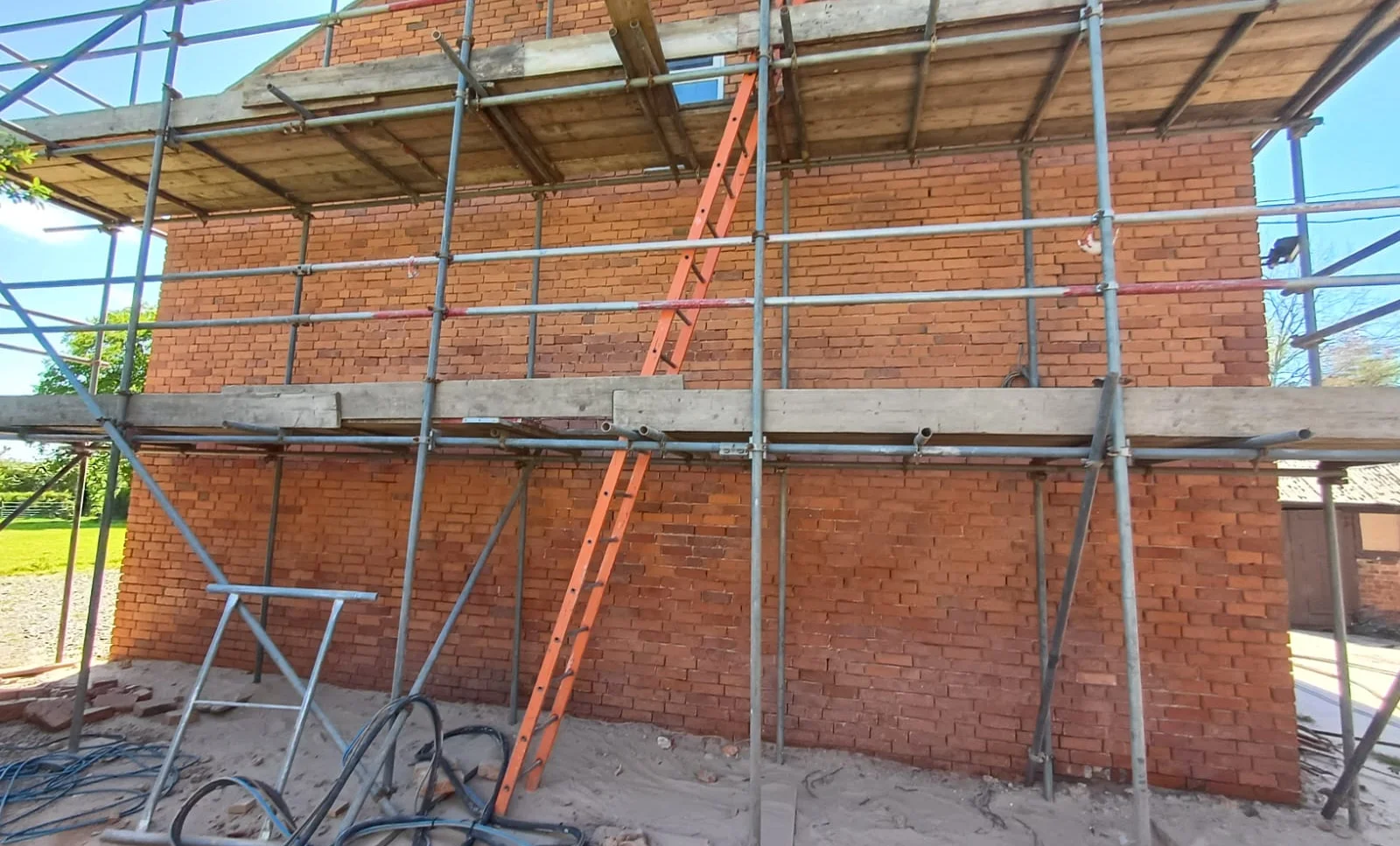 Assessment · protection · controlled cleaning
Where it may be suitable
Typical removal needs
The safest effective method is chosen for the particular brick and mortar. If blasting is likely to damage the face, joints or finish, the project should be reconsidered rather than forced.
Windows, doors, vents, adjoining finishes and nearby property are protected. External work is planned around access, neighbours and containment needs.
Cleaned masonry may need repointing, drying time or a separate decorative treatment. These next stages are assessed independently.
Related work
Browse real project photographs, then send us a few images of your own surface so we can talk through the right next step.
 Brick & masonry
Residential project
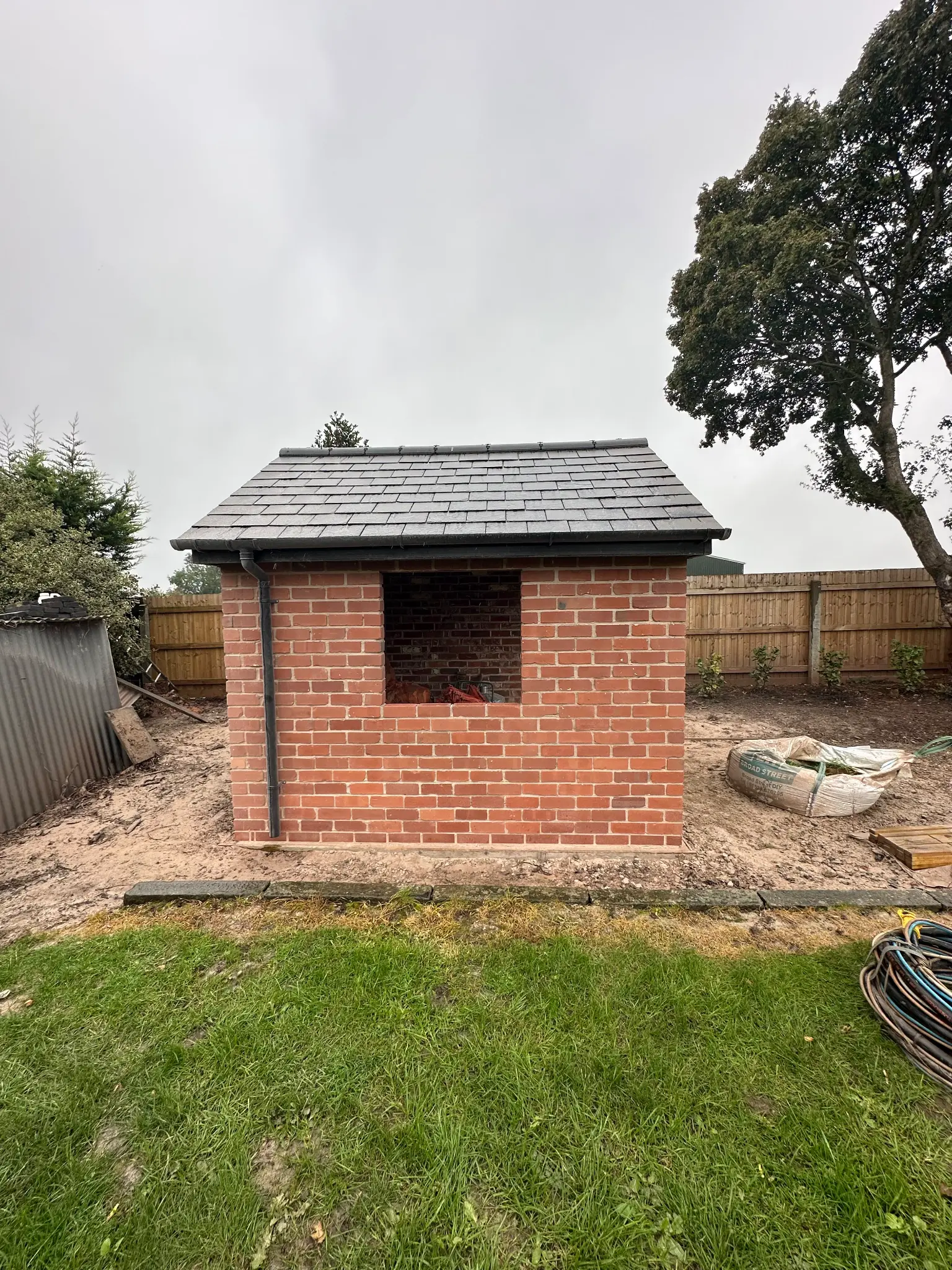
A fresh, clean look for a garden outbuilding, with the original brickwork brought back into view.
Service usedBrick Cleaning
See the transformationBrick & masonryBristol service area
An interior brick wall cleaned to reveal a more consistent colour and surface.
Service usedBrick Cleaning
See the transformationA useful first enquiry
Attach up to three photographs and include approximate dimensions, postcode, access and what you believe is on the surface.
Brick Cleaning FAQ
Not automatically. Results depend on paint type, number of layers, brick condition and how deeply the coating has penetrated. A test patch is the best starting point.
The method and pressure are selected with the mortar condition in mind. Fragile or failing joints may need repair advice before cleaning proceeds.